What Is an Earthship and How It Can Help Save the Planet
Imagine living in a home that is completely self-sufficient, eco-friendly, and comfortable. A home that grows its own food, collects its own water, and generates its own power. A home that is not only functional and practical, but also beautiful and unique. A home that is in harmony with nature, and reduces your environmental impact and improves your quality of life. Sounds too good to be true, right? Well, it’s not. It’s an earthship.
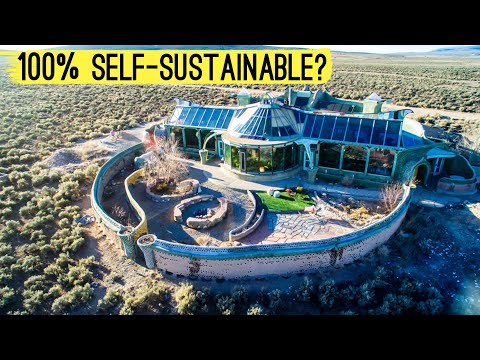
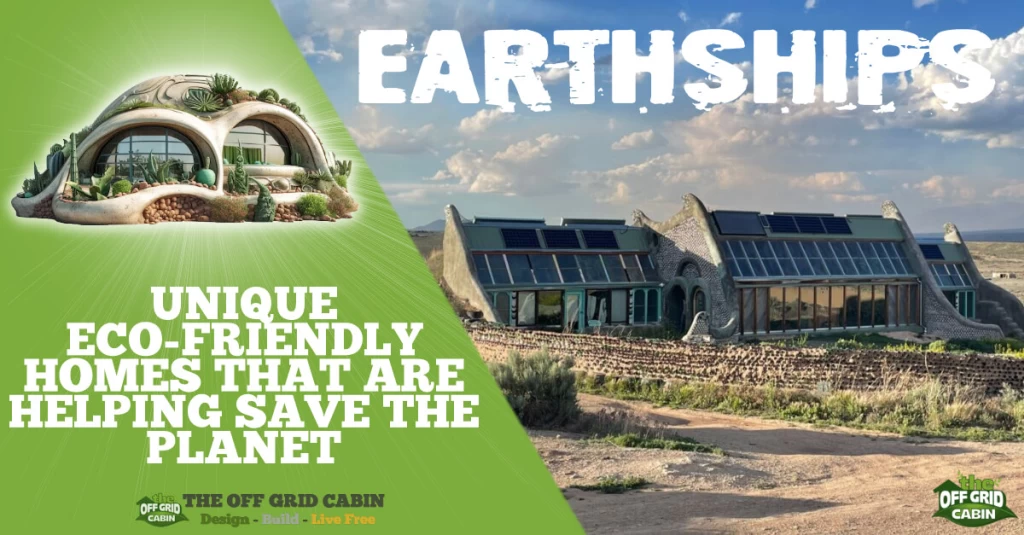
An earthship home is a type of sustainable housing that is designed to be off the grid and in harmony with nature. It is built with natural and recycled materials, and uses renewable energy sources, rainwater harvesting, and contained sewage treatment. It also provides a healthy and comfortable environment, and grows its own food and compost.
In this article, we will explain what an earthship is, how it works, and how it can make your life better. We will also discuss the benefits and challenges of living in an earthship home, and how to find or build your own.

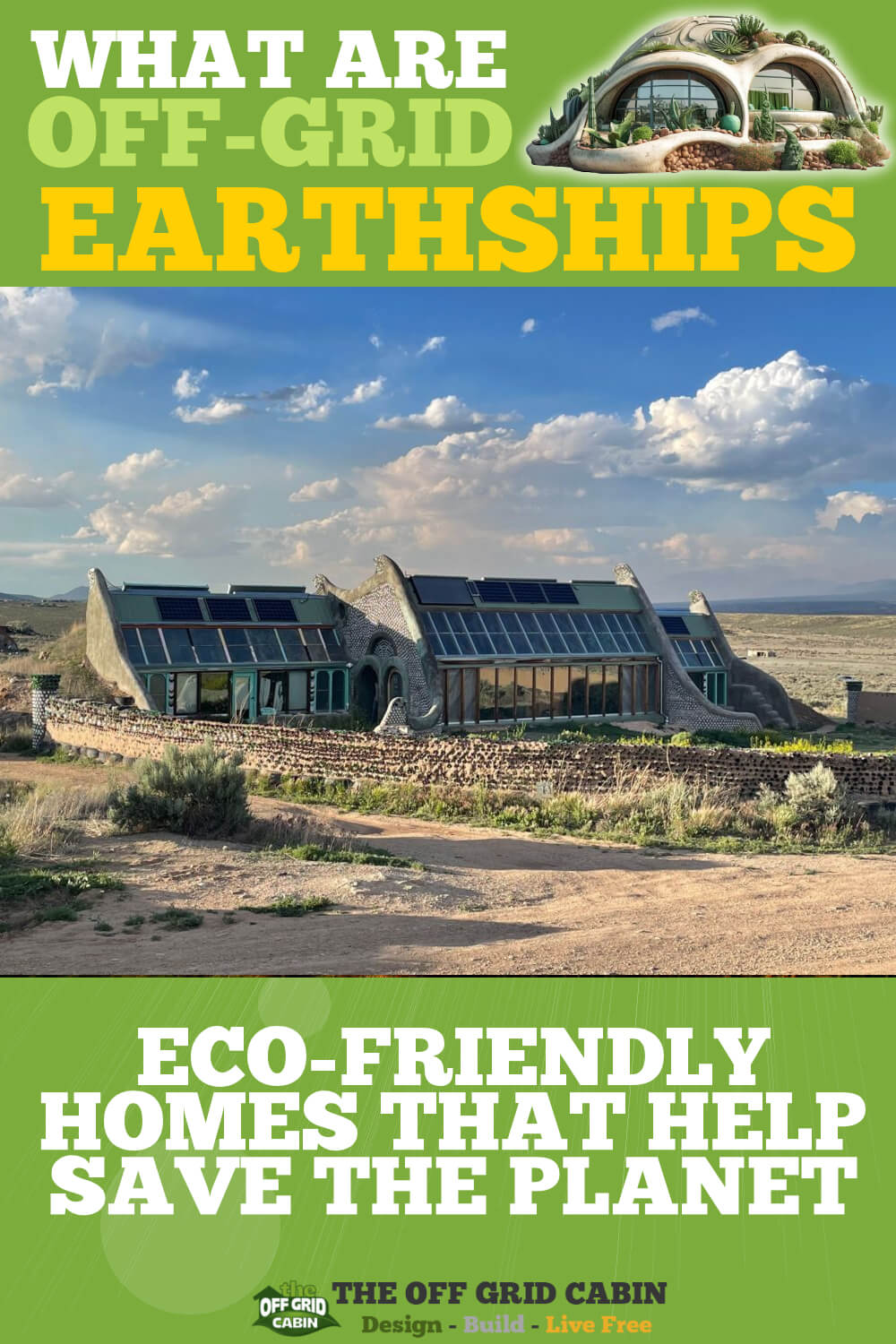
Table of Contents
- What Is an Earthship?
- How Does an Earthship Work?
- 1. Thermal/Solar Heating and Cooling
- 2. Solar and Wind Electricity
- 3. Contained Sewage Treatment
- 4. Building with Natural and Recycled Materials
- 5. Water Harvesting
- 6. Food Production
- What Are the Benefits of Living in an Earthship?
- Environmental Benefits
- Economic Benefits
- Social Benefits
- What Are the Challenges of Building or Finding an Earthship?
- Legal Challenges
- Technical Challenges
- Cultural Challenges
- How to Build Your Own Earthship
- Site selection
- Design development
- Material procurement
- Construction process
- Conclusion
- FAQs
- Extra Links and Videos
What Is an Earthship?

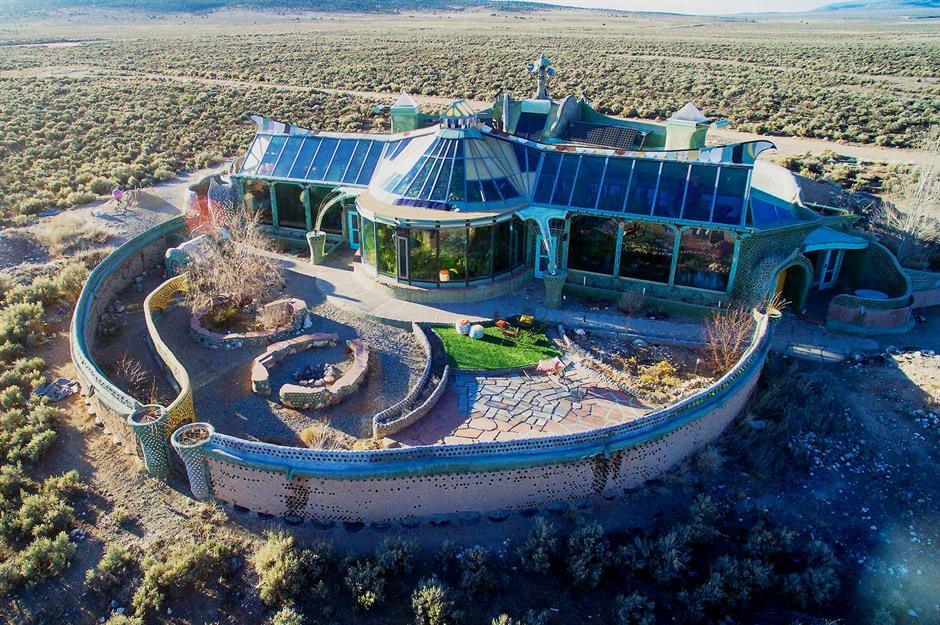
The concept of the earthship was first described by Michael Reynolds in 1971. He was an architect and a visionary, who wanted to create a new way of living that was independent, creative, and fulfilling. The concept came from wanting to create a home that was not dependent on the conventional systems of society, such as electricity, water, and sewage.

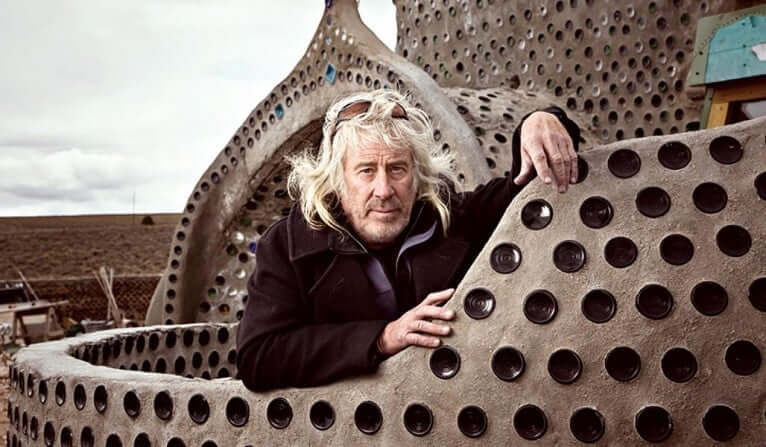
He wanted to create a home that was not harmful to the environment, but rather beneficial and regenerative. A home that was not boring and bland, but rather artistic and expressive. To achieve this dream, he started to experiment with different materials and designs, and came up with the idea of using earth-packed tires, glass bottles, aluminum cans, and adobe to build the walls, floors, and roofs of the home. It was Reynolds that first came up with the idea of using passive solar design, water harvesting, and food production to create a healthy and comfortable environment. In addition, he also came up with the idea of using a U-shaped layout, which maximized the solar exposure and the living space.

Reynolds called his creation an earthship, because he saw it as a vessel that floated on the sea of life, rising and falling with the waves. He saw it as a home that was self-reliant, sustainable, and comfortable. A home that was not only a shelter, but also a machine, a garden, and a work of art. His first earthship was designed in 1988, and since then, he has built hundreds of earthship homes around the world, in different climates and cultures. He’s also taught thousands of people how to build their own earthships, through workshops, books, and videos. The Earthship Biotecture Academy was founded in New Mexico, where he trains students in the principles and techniques of earthship construction and design. He has also faced many challenges and obstacles, such as legal, technical, and cultural barriers, that have tried to stop or limit his vision. Also, facing many critics and skeptics, who have questioned or dismissed his ideas. He’s faced several failures and mistakes along the way that have taught him valuable lessons and improvements. But never giving up on his dream, he continues to spread his message and mission of earthships, to anyone who is willing to listen and learn. You can learn more about attending the Earthship Biotecture Academy.
How Does an Earthship Work?
An earthship works by addressing six basic needs:
- Heating and cooling
- Solar and wind electricity
- Contained sewage treatment
- Building with natural and recycled materials
- Water harvesting
- Food production
By addressing these six needs, an earthship creates a self-sufficient, eco-friendly, and comfortable off-grid home that works with nature, not against it.
1. Thermal/Solar Heating and Cooling
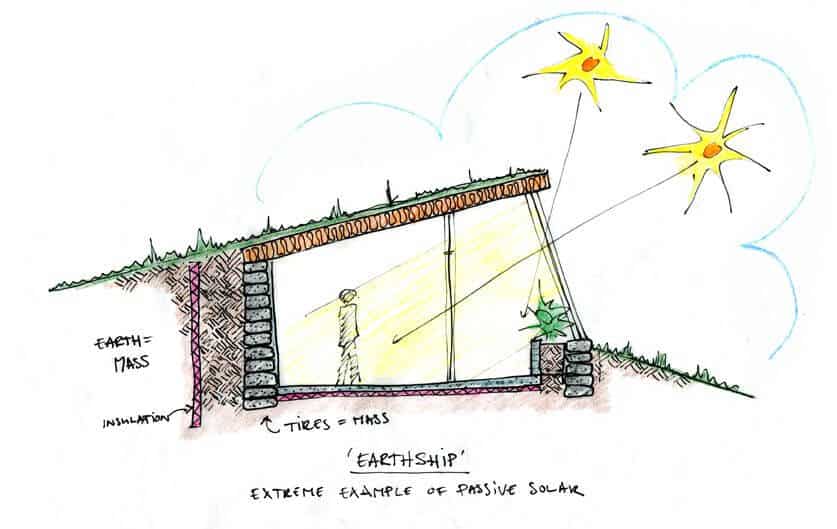
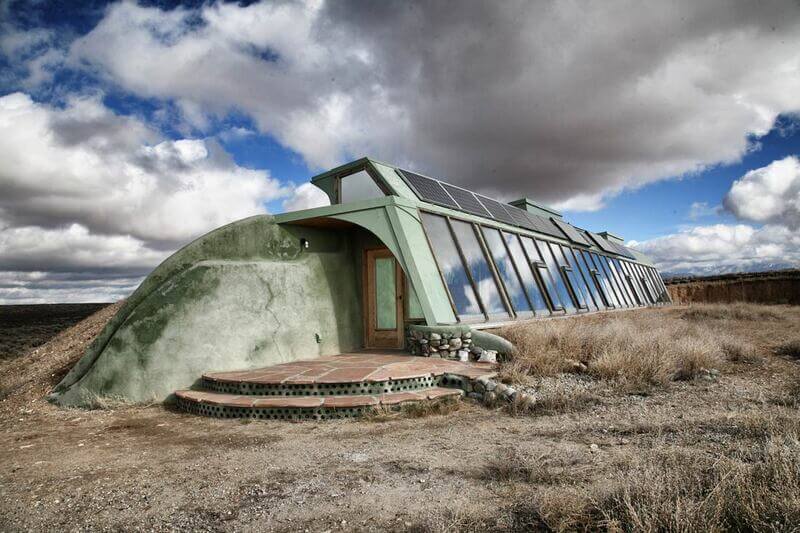
Earthships use passive solar design to capture and store the heat from the sun, and use thermal mass to regulate the indoor temperature. An earthship home also uses natural ventilation, shading, and insulation to keep the home cool in the summer and warm in the winter.

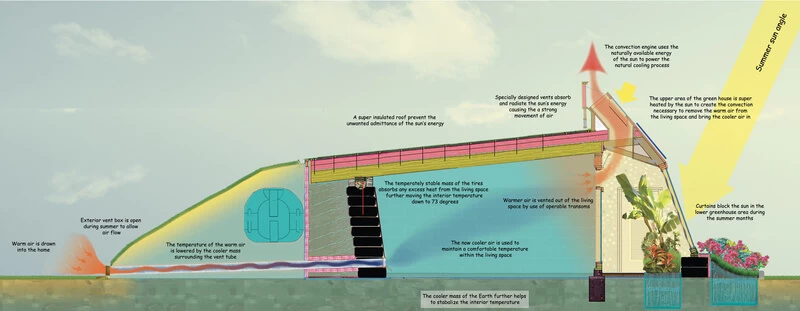
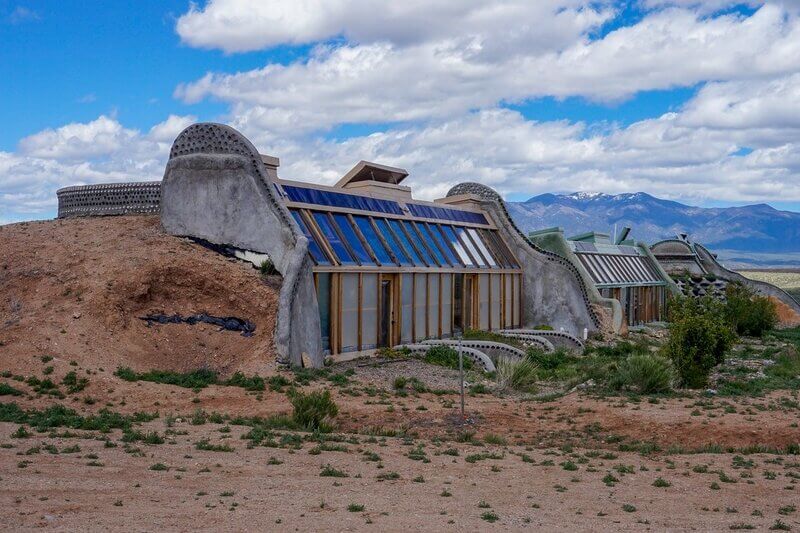
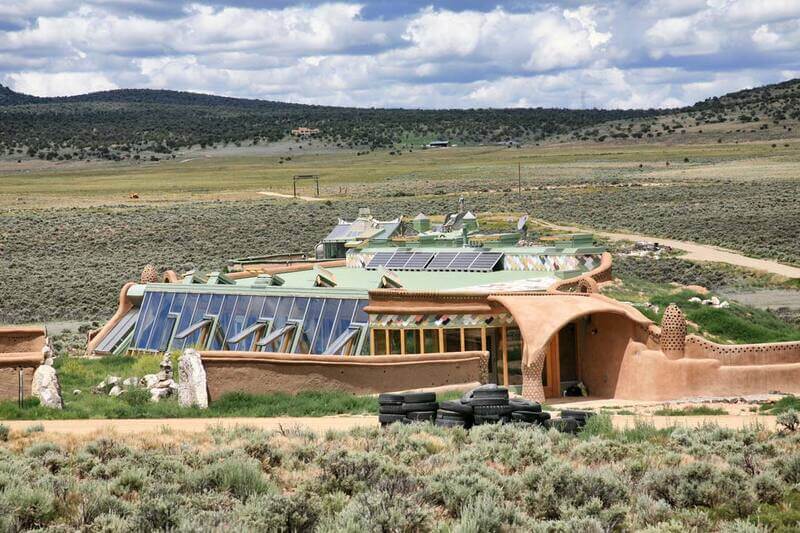
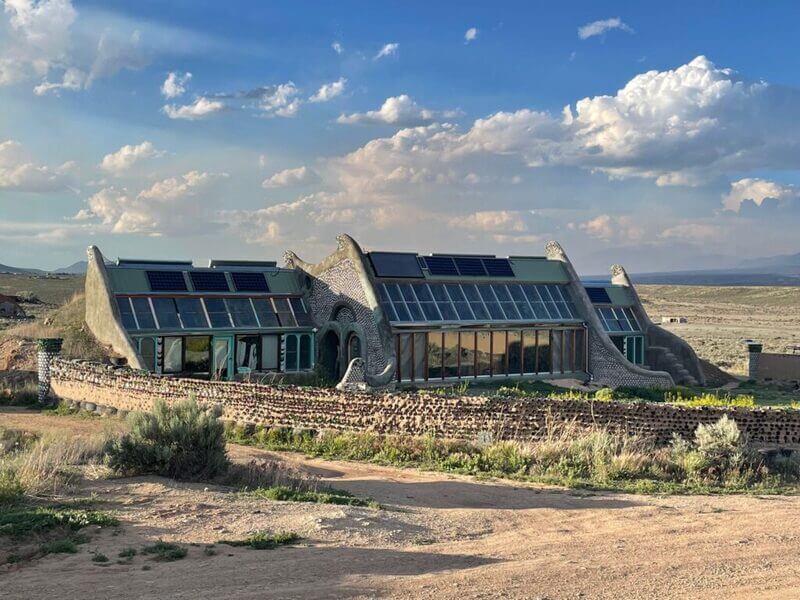
The glass wall that faces the sun acts as a greenhouse, trapping the heat and creating a warm and humid environment. The plants in the greenhouse also help to purify the air and provide oxygen. The heat from the greenhouse is then transferred to the rest of the house through vents and fans, or stored in the walls and floors for later use. The walls and floors of the earthship are made of earth-packed tires, which are filled with dirt and stacked like bricks. The tires act as thermal mass, absorbing and releasing heat slowly and evenly. The tires are also covered with adobe or plaster, which adds insulation and aesthetic value.

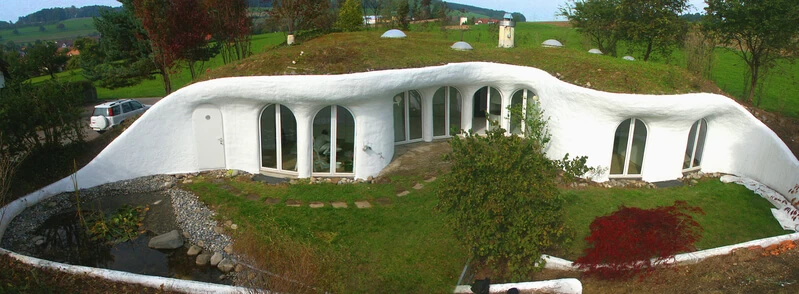
The roof of the earthship may be covered with soil and plants, which provide insulation and cooling. The plants also help to filter the rainwater and prevent erosion. The roof also has skylights and vents, which allow natural light and air to enter the house. The vents can be opened or closed to control the airflow and temperature.
2. Solar and Wind Electricity
An earthship takes full advantage of renewable energy by using solar panels and/or wind turbines to generate electricity, which is stored in batteries and distributed through a power organizing module. Earthship homes also often use energy-efficient appliances and LED lights to reduce the electricity consumption and demand.

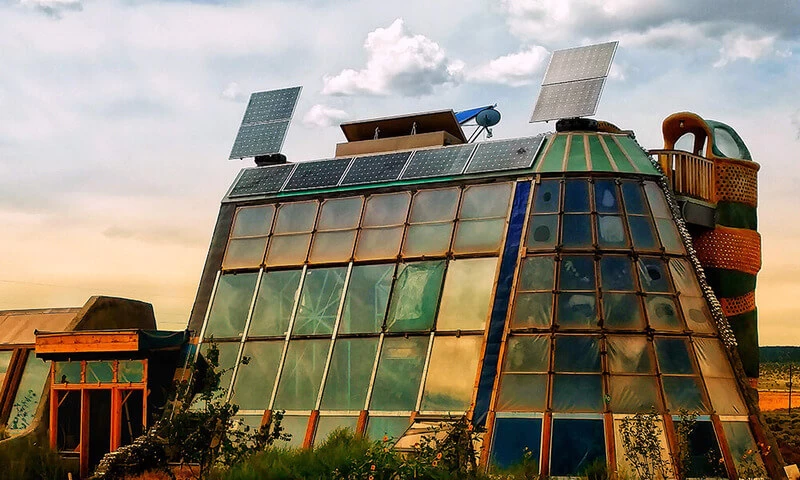
The solar panels are usually mounted on the roof or the side of the house, where they can receive the most sunlight. The solar panels convert the solar energy into direct current (DC) electricity, which is then sent to the batteries for storage. The batteries are usually located in a separate room or a closet, where they are protected from the weather and temperature fluctuations. For a complete detailed look of how an off grid solar system functions, how all the components work together and the best places to buy a complete solar kit check out our article Harnessing The Sun and the Best Off Grid Solar Systems. The wind turbines are usually installed on a pole or a tower, where they can catch the most wind. The wind turbines convert the wind energy into alternating current (AC) electricity, which is then sent to the power organizing module for conversion and distribution. The power organizing module is a device that regulates the voltage and frequency of the electricity, and switches between the solar, wind, and grid sources, depending on the availability and demand. Some MPPT charge controllers like our MidNite Classic 150 can be used with Solar, Wind and Hydro.

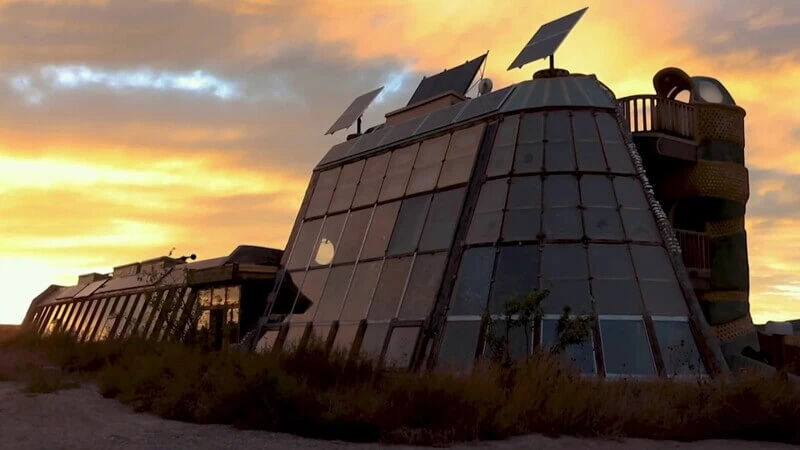
The power organizing module also has outlets and switches, where the appliances and lights can be plugged in and controlled. The appliances and lights are usually low-voltage and energy-efficient, such as refrigerators, washing machines, computers, and LED bulbs. The appliances and lights can also be turned off or unplugged when not in use, to save energy and prevent power surges. We’ve recently written about portable solar generators powerful enough to run an entire off grid home for days while still remaining portable to take them anywhere.
3. Contained Sewage Treatment
Like our off grid home, earthships use a blackwater system to compost the human and animal waste, and use it to fertilize the plants in the garden. Earthships also use a greywater system to recycle the water from the sinks and showers, and use it to irrigate the plants in the greenhouse.

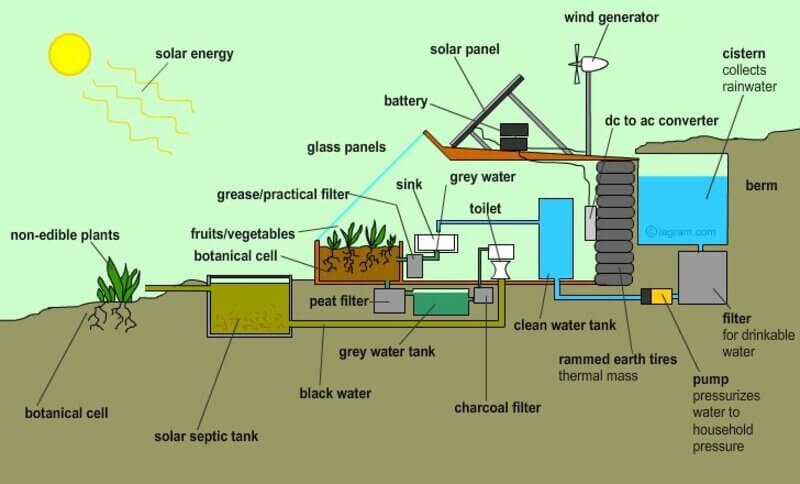
The blackwater system consists of a toilet, a septic tank, and a leach field. The toilet is usually a low-flush or a composting toilet like a Separett toilet, which uses little or no water to flush the waste. The waste is then sent to the septic tank (or storage container), where it is decomposed by bacteria and turned into compost. The compost is then pumped to the leach field, where it is distributed to the plants in the garden. The plants in the garden help to filter and absorb the nutrients and water from the compost, and provide food and beauty for the residents. The greywater system consists of a sink, a shower, a planter, and a sump. The sink and the shower are usually connected to a drain, which leads to a planter. The planter is a container that is filled with gravel, soil, and plants, such as bananas, papayas, or tomatoes. The plants in the planter help to filter and clean the water from the sink and shower, and provide food and humidity for the greenhouse. The water from the planter is then collected in a sump, where it is pumped to the greenhouse for irrigation. The water in the greenhouse is used to water the plants and animals, such as herbs, flowers, fish, and chickens, that can be harvested and consumed by the residents.
4. Building with Natural and Recycled Materials
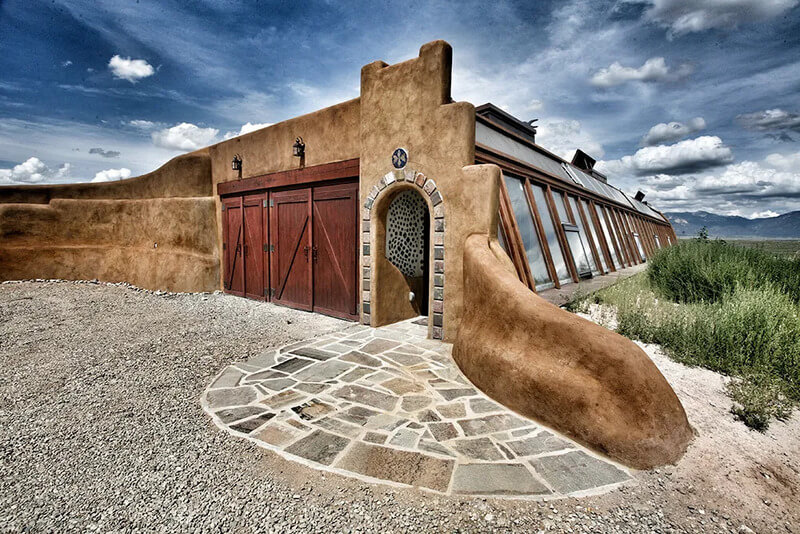
Earthships use natural and recycled materials, such as earth-packed tires, glass bottles, aluminum cans, and adobe, to build the walls, floors, and roofs of the home. An earthship home also uses local and organic materials, such as wood, stone, and clay, to decorate and furnish both the interior and exterior.

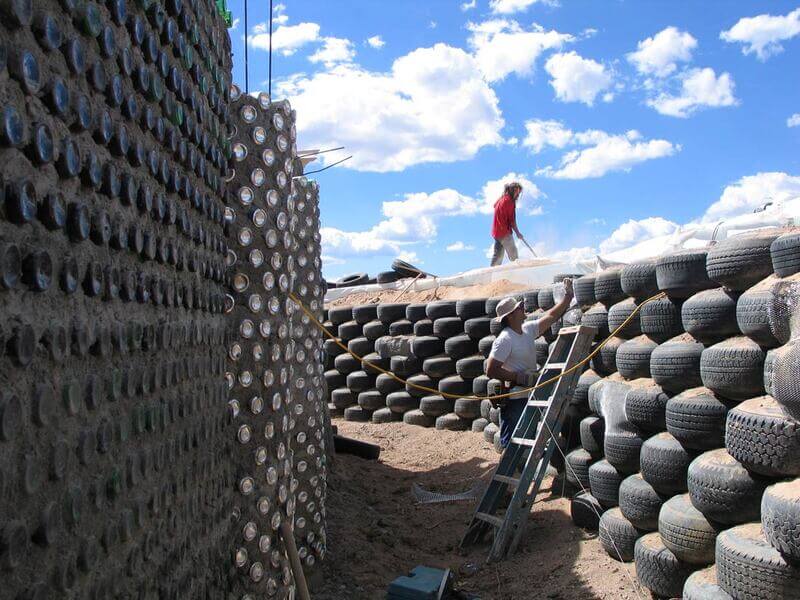
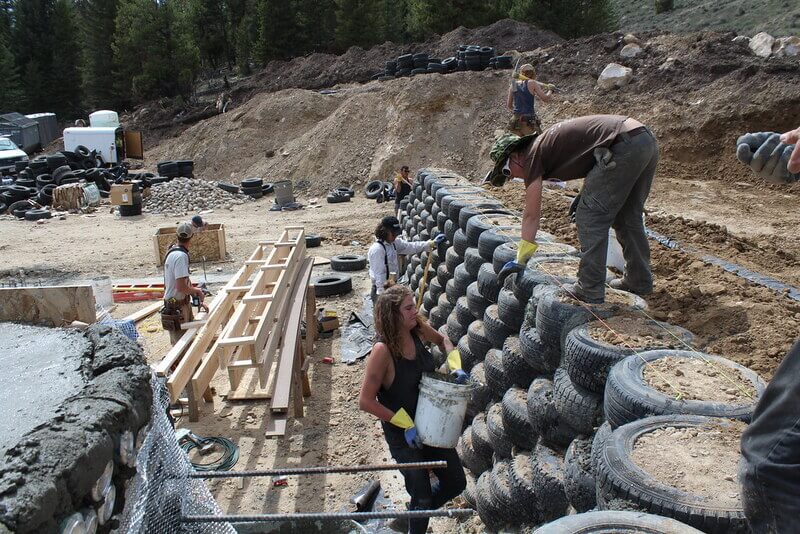
Tires can usually be obtained from local junkyards or tire shops, where they are discarded or donated. The tires are then filled with dirt and stacked like bricks, forming the main structure of the walls and floors. The tires are also covered with adobe or plaster, which adds insulation and aesthetic value. The tires are also arranged in a U-shape, creating a horseshoe-like layout that maximizes the solar exposure and the living space. The bottles and cans are usually collected from local recycling centers or trash bins, where they are sorted and cleaned. The bottles and cans are then cut and embedded in the adobe or plaster, forming the secondary structure of the walls and roofs. The bottles and cans are also used to create patterns, designs, and colors, adding artistic and cultural value. The bottles and cans are also used to create windows, skylights, and domes, allowing natural light and air to enter the house. The adobe is usually made from local clay, sand, and water, which are mixed and molded into bricks or blocks. The adobe is then used to cover the tires, bottles, and cans, creating a smooth and uniform surface. The adobe also adds insulation and aesthetic value. The adobe can also be colored or painted, adding variety and personality.

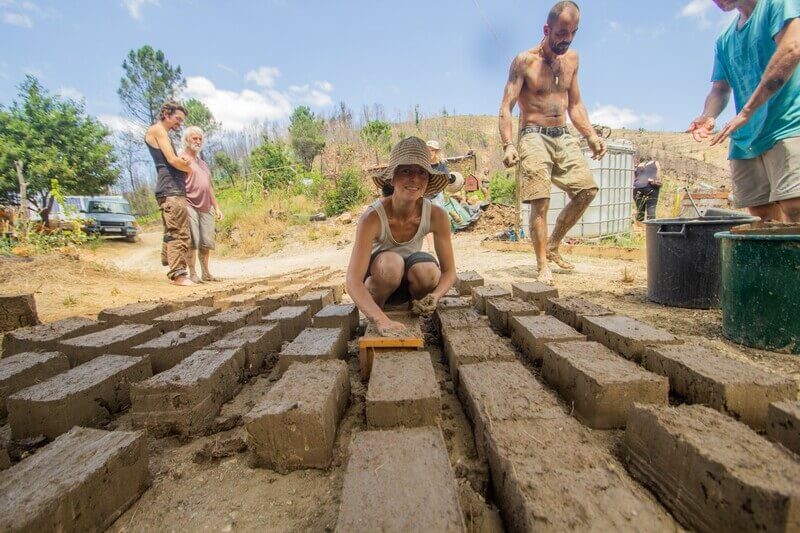
The wood, stone, and clay are usually obtained from local sources, such as forests, rivers, or mines, where they are harvested or extracted. The wood, stone, and clay are then used to decorate and furnish the home, such as doors, frames, furniture, sculptures, or pottery. The wood, stone, and clay also add natural and organic value. The wood, stone, and clay can also be carved or shaped, adding artistic and cultural value.
5. Water Harvesting
Earthships use a cistern to collect rainwater from the roof, which is filtered and used for drinking, cooking, and bathing. Earthships also use a well or a spring to supplement the water supply, if needed. We also harvest rain at our off grid home and incorporate a first flush system to clean the roof of any foreign matter before collecting the rain in our barrels.

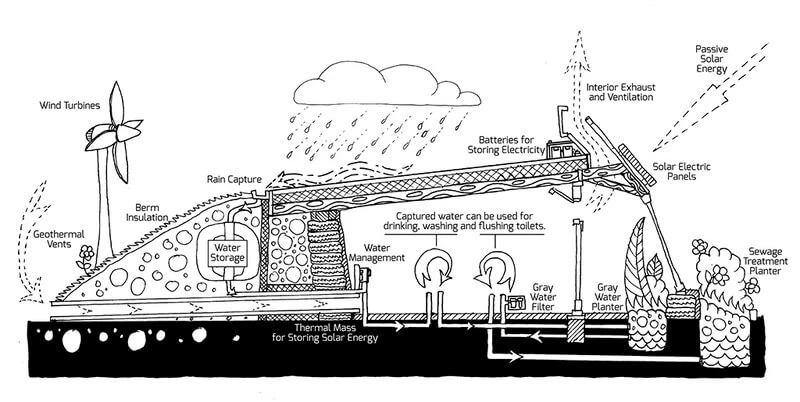
The cistern is usually a large tank that is located underground or above ground, where it can store the rainwater. You can also use above ground barrels or large containers. The cistern is also connected to a gutter system, which collects the rainwater from the roof and directs it to the cistern. The cistern also has a pump and a filter, which pump and filter the water before it’s used. The well or a spring is usually a natural source of water located close to the earthship, where it can provide additional water. A pump and filter is also used for transporting the water into the home. The water from the cistern or the well is then distributed to the faucets and showers, where it can be used for drinking, cooking, and bathing. The water is also heated by a solar water heater or a gas water heater, which provide hot water for the residents. We’ve detailed in another article how to install a tankless hot water heater for off grid locations.
6. Food Production
Earthships use a greenhouse to grow plants and animals, such as fruits, vegetables, herbs, flowers, fish, and chickens, that can be harvested and consumed by the residents. Earthships also use a garden to grow more plants and animals, such as trees, shrubs, flowers, bees, and worms, that can provide shade, beauty, pollination, and compost.
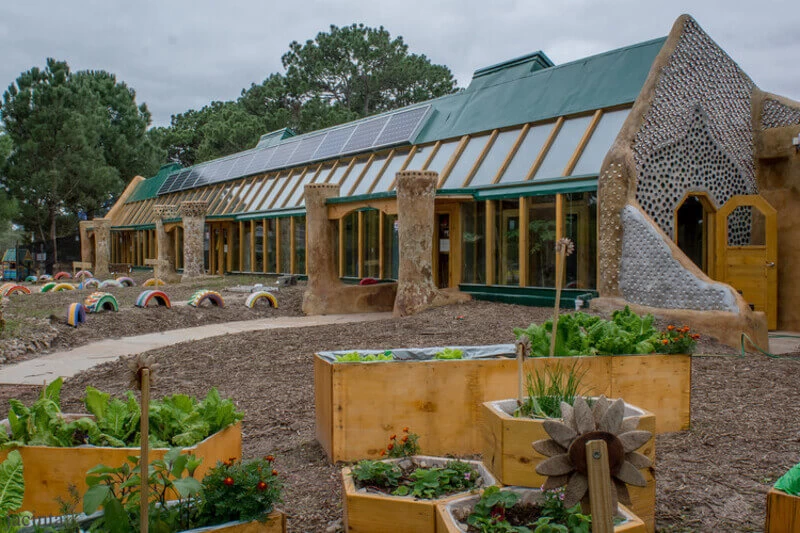
The greenhouse is usually a glass-enclosed space that is attached to the front of the house, where it can receive the most sunlight and heat. The greenhouse is also connected to the greywater system, which provides water and nutrients for the plants and animals. The greenhouse also has a ventilation system, which controls the humidity and temperature of the environment. The garden is usually an outdoor space that is located around or behind the house, where it can receive the natural rain and wind. The garden is also connected to the blackwater system, which provides compost and fertilizer for the plants and animals. The garden also has a mulching system, which covers the soil and plants with organic matter, such as leaves, straw, or wood chips, to prevent weeds, pests, and erosion. The plants and animals in the greenhouse and the garden are usually edible and organic, such as tomatoes, lettuce, basil, roses, tilapia, and eggs, that can be harvested and consumed by the residents. The plants and animals are also diverse and complementary, such as beans, corn, squash, sunflowers, honey, and worms, that can provide mutual benefits, such as nitrogen fixation, pest control, pollination, and compost. Food production and preservation is one of the most essential and rewarding aspects of an earthship. It shows how an earthship can provide food security and nutrition, and how the residents can enjoy the fruits of their labor. It also shows how an earthship can create a symbiotic relationship with nature, and how the residents can learn and appreciate the cycles and processes of life. We enjoy fermenting fresh vegetables.
What Are the Benefits of Living in an Earthship?
Living in an earthship can provide many benefits for the residents, such as:
Environmental Benefits
- Earthships reduce the environmental impact of human activities, such as greenhouse gas emissions, resource depletion, and waste generation, by using renewable energy sources like solar, natural and recycled materials, and contained sewage treatment. They also enhance the environmental quality of the surroundings, such as air, water, and soil, by using passive solar design, rainwater harvesting, and food production. An earthship also promotes the environmental awareness and responsibility of the residents, by making them more conscious and involved in their ecological footprint and impact.
Economic Benefits
- Earthship homes reduce the economic costs of living, such as utility bills, maintenance fees, and taxes, by using off-grid systems, durable materials, and autonomous functions. They also increase the economic value of the property, such as market price, resale potential, and rental income, by using unique design, aesthetic appeal, and functional features. Earthships can provide economic opportunities and independence to the residents, by allowing them to generate their own income and savings, such as selling their surplus electricity, water, or food, or offering their services or skills, such as teaching, consulting, or building.
Social Benefits
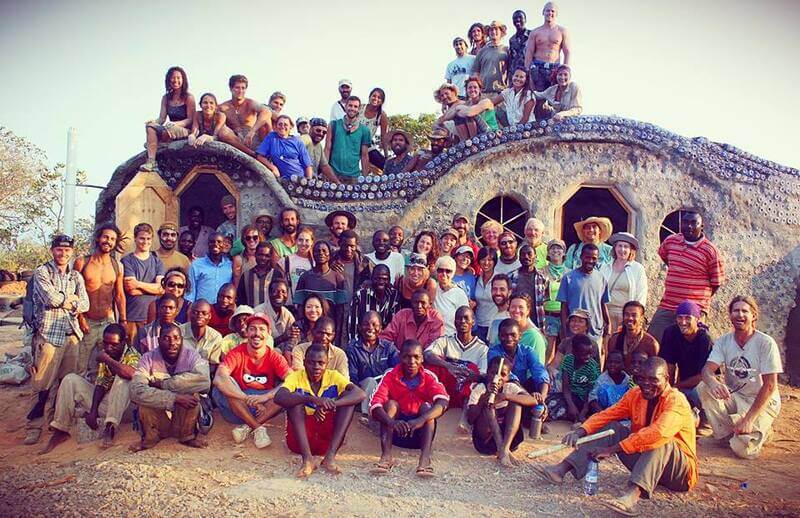
- An earthship can also serve to enhance the social well-being and happiness of the residents, such as health, comfort, and satisfaction, by providing a healthy and comfortable environment, like clean air, water, and food, natural light and heat, and cozy and spacious rooms. Earthships also foster the social relationships and connections of the residents, such as family, friends, and neighbors, by providing a communal and cooperative space, such as a greenhouse, a garden, or a workshop, where they can share, learn, and help each other.
What Are the Challenges of Building or Finding an Earthship?
Living in an earthship can provide many benefits for the residents, but it can also pose some challenges and difficulties, such as:
Legal Challenges
- Earthships may face some legal obstacles and restrictions, such as zoning laws, building codes, and permits, that may limit or prohibit the construction or occupation of an earthship in certain areas or conditions. Earthships may also encounter some legal disputes and conflicts, such as property rights, liability issues, and insurance claims, that may arise from the ownership or use of an earthship in relation to other parties or entities. Earthships may also require some legal assistance and advice, such as lawyers, consultants, and advocates, that may help them navigate and overcome the legal system and process.
Technical Challenges
- Earthships may require some technical skills and knowledge, such as engineering, architecture, and plumbing, that may be necessary or beneficial for the design, construction, and maintenance of an earthship. Earthships may also require some technical tools and equipment, such as machines, vehicles, and instruments, that may be essential or useful for the installation, operation, and repair of an earthship. Earthships may also require some technical support and service, such as experts, technicians, and volunteers, that may help them solve and prevent the technical problems and issues.
Cultural Challenges
- Earthships may face some cultural barriers and prejudices, such as stereotypes, stigma, and discrimination, that may affect or influence the perception and acceptance of an earthship by the society or the community. Earthships may also encounter some cultural differences and conflicts, such as values, beliefs, and norms, that may challenge or clash with the culture or the lifestyle of an earthship. Earthships may also require some cultural adaptation and integration, such as education, communication, and participation, that may help them understand and respect the culture and the diversity of the people and the place.

How to Build Your Own Earthship
If you are interested in building your own earthship, you will need to follow some steps and guidelines that will help you create a successful and sustainable project. Here are some of the main steps and guidelines that you will need to consider:
Site selection
- The first step is to choose a suitable site for your earthship, where you can access the resources and conditions that you need, such as sunlight, wind, water, and soil. You will also need to check the legal and technical aspects of the site, such as the zoning laws, building codes, and permits, that may affect or limit your project. You will also need to assess the environmental and social aspects of the site, such as the climate, topography, vegetation, and community, that may influence or support your project.
Design development
- The next step is to develop your earthship design, where you can customize and adapt the layout, structure, and features of your earthship, according to your needs and preferences. You will need to consider the six basic needs of an earthship, such as heating and cooling, solar and wind electricity, water harvesting, contained sewage treatment, building with natural and recycled materials, and food production, and how to address them in your design. You will also need to consider the aesthetic and functional aspects of your design, such as the shape, size, and color of your earthship, and how to make it unique and expressive.
Material procurement
- The next step is to procure the materials that you will need to build your earthship, such as earth-packed tires, glass bottles, aluminum cans, and adobe. You will need to source the materials from local and recycled sources, such as junkyards, tire shops, recycling centers, or trash bins, where you can obtain them for free or for a low cost. You will also need to sort and clean the materials, and prepare them for the construction, such as filling the tires with dirt, cutting the bottles and cans, and making the adobe.

Construction process
- The final step is to construct your earthship, where you can use your skills, tools, and equipment, to turn your materials and design into reality. You will need to follow the earthship construction techniques and methods, such as stacking the tires, embedding the bottles and cans, and covering the adobe, to build the walls, floors, and roofs of your earthship. You will also need to install the off-grid systems, such as the solar panels, wind turbines, cistern, septic tank, planter, and sump, to provide the electricity, water, and sewage treatment for your earthship. You will also need to plant the plants and animals, such as fruits, vegetables, herbs, flowers, fish, and chickens, in the greenhouse and the garden, to provide the food and compost for your earthship.
Building your own earthship can be a challenging and rewarding experience, that will allow you to create a home that is self-sufficient, eco-friendly, and comfortable. It will also allow you to express your creativity and personality, and inspire others to follow your example.
However, building your own earthship can also require a lot of time, effort, and resources, and you may encounter some difficulties and problems along the way. Therefore, it is important to plan and execute your earthship project carefully and wisely, and to seek help and support when needed.
You can use some of the earthship guides and manuals that are available online, join or visit some of the earthship communities and networks that exist around the world, or consult some of the earthship experts and builders. Michael Reynolds, the founder and creator of earthships, or some of his students and followers, can offer you advice and guidance on your earthship project. Your first stop for info should be Earthship.com
Conclusion
Earthships are a type of sustainable housing that are designed to be off the grid and in harmony with nature. They’re built with natural and recycled materials, and use renewable energy sources, rainwater harvesting, and contained sewage treatment. They also provide a healthy and comfortable environment, and grow their own food and compost. Earthships are not only functional and practical, but also beautiful and unique.
Living in an earthship can provide many benefits for the residents, such as environmental, economic, and social benefits. However, building or finding an earthship can also pose some challenges for the residents, such as legal, technical, and cultural challenges. Therefore, it is important to do some research, plan, and execute your earthship project carefully and wisely.
If you are interested in finding or building your own earthship home, you can use some of the tips and resources that we provided in this article, or you can find more information and inspiration online or offline. We’ve included more links and information at the bottom of this article. Earthships are more than just houses, they are a way of living that is in harmony with nature, that reduces the environmental impact, and that improves the quality of life. Earthships are a way of living that is independent, creative, and fulfilling. Earthships are a way of living that is radically sustainable. We hope you’ve enjoyed reading this article and learned more about earthship homes. If you have any questions or feedback, please let us know. We would love to hear from you and help you with your earthship project. 😊.
FAQs
What is an earthship?
- An earthship is a type of sustainable housing that is designed to be off the grid and in harmony with nature. It is built with natural and recycled materials, and uses renewable energy sources, rainwater harvesting, and waste management systems.
How does an earthship work?
- An earthship works by using passive solar design, thermal mass, natural ventilation, and insulation to regulate the indoor temperature. It also uses solar panels and wind turbines to generate electricity, a cistern to collect rainwater, a greywater system to recycle water, and a blackwater system to compost waste. It also has a greenhouse and a garden to grow food.
How can an earthship make your life better?
- An earthship can make your life better by saving you money, reducing your environmental impact, improving your health and wellbeing, learning new skills and knowledge, and having more freedom and fun. You can also enjoy fresh air, natural light, organic food, and a connection with nature.
What are the challenges and drawbacks of living in an earthship?
- Living in an earthship can also have some challenges and drawbacks, such as needing a lot of land and permits, time and effort, compromise on comfort and convenience, and self-reliance and resilience. You also need to adapt to the natural cycles and conditions, conserve and ration your resources, and deal with some inconveniences and nuisances.
How to find or build your own earthship?
- You can either find an existing earthship that is for sale or rent, or build your own earthship from scratch. You can use online platforms and directories, such as Earthship Global, Earthship Biotecture, Earthship Rentals, Earthship Homes, and [Earthship Real Estate], to find an earthship. You can also use online and offline resources and guides, such as [Off Grid and Earthship Books], [Earthship Videos], [Earthship Plans], [Earthship Courses], and [Earthship Kits], to build an earthship. You can also hire or consult with professional and experienced earthship builders and designers, or volunteer or participate in ongoing earthship projects and initiatives.
What are the main components and systems of an earthship?
- The main components and systems of an earthship are the structure, the heat/insulation, the power, the water, the sewage, and the food production. The structure is made of earth-packed tires, glass bottles, aluminum cans, and adobe. The insulation is provided by the thick walls, the green roof, and the buried north side. The power is generated by solar panels and wind turbines, and stored in batteries. The water is collected by a cistern, and filtered and used for drinking, cooking, and bathing. The sewage is treated by a blackwater system, and used for fertilizing the plants. The food production is done by a greenhouse and a garden, where plants and animals can be grown and harvested.
How much does it cost to build or buy an earthship?
- The cost of building or buying an earthship can vary depending on the location, design, size, and materials. Generally, building an earthship can cost between $20,000 to $70,000, depending on the model. Buying an earthship can cost between $275,000 and up, depending on the property. However, living in an earthship can also save you money in the long run, as you do not need to pay for utilities, food, or maintenance.
Where can I learn more about earthships?
- You can learn more about earthships by visiting the [Earthship Biotecture website], where you can find information, plans, courses, and communities related to earthships. You can also watch the [documentary Garbage Warrior], which tells the story of Michael Reynolds, the inventor of the earthship concept. You can also read some of the books written by Reynolds, such as [Earthship: How to Build Your Own], [Earthship: Systems and Components], and [Earthship: Evolution Beyond Economics].
What are the benefits and challenges of living off the grid?
- Living off the grid means living without relying on any external utilities, such as electricity, water, or sewage. Living off the grid can have many benefits, such as being more independent, self-reliant, and resilient, reducing your environmental impact and carbon footprint, saving money and resources, and having more freedom and fun. However, living off the grid can also have some challenges, such as needing to adapt to the natural cycles and conditions, conserve and ration your resources, deal with some inconveniences and nuisances, and cope with some legal and regulatory issues.
What are some examples of earthship projects and communities around the world?
- There are more than 3,000 earthships around the world, in different countries and regions. Some of the examples of earthship projects and communities are the Greater World Earthship Community in New Mexico, the Earthship Brighton in the UK, the Earthship Patagonia in Argentina, the Earthship Karuna in India, the Earthship Haiti, the Earthship Malawi, and the Earthship Seattle. You can visit and tour some of these earthships, or even stay in them as a guest or a volunteer. You can also join some of the online and offline platforms and networks for earthship enthusiasts, where you can meet and interact with other like-minded people, share your stories and tips, ask for advice and support, and learn from each other.
Extra Links and Videos
For four decades, Michael Reynolds has been featured in various media outlets across the globe, from Asia, Europe, Australia, to North and South America, on radio, television, film, and print. His work has attracted a growing interest worldwide. He has also given lectures on his innovations in many prestigious venues, such as The Parliament of Sweden, KTH Royal Institute of Technology, National Technical Library in Prague, and The World Wellness Project Summit in Melbourne, among others. You can read and watch additional info about Michael Reynolds and his earthship homes here: Treehugger: Is an Earthship Home Right for You?
The Weather Network: Living in an Earthship, this Ontario couple inspired others to build their own The Globe and Mail: Eco-friendly home built free of charge for Six Nations woman
Digg: An Off-The-Grid Mountain Dwelling, And More Of New Mexico’s Radical Earthship Homes