From a Cockpit, to a Cancer Ward, to a Cabin in the Woods
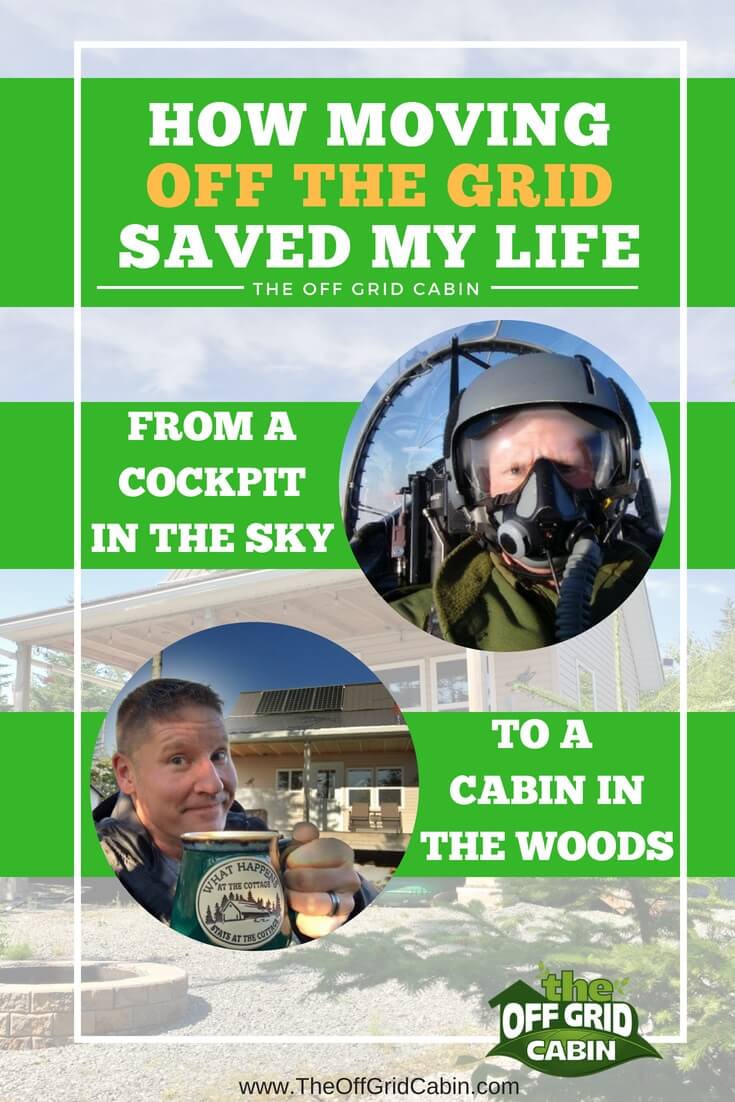
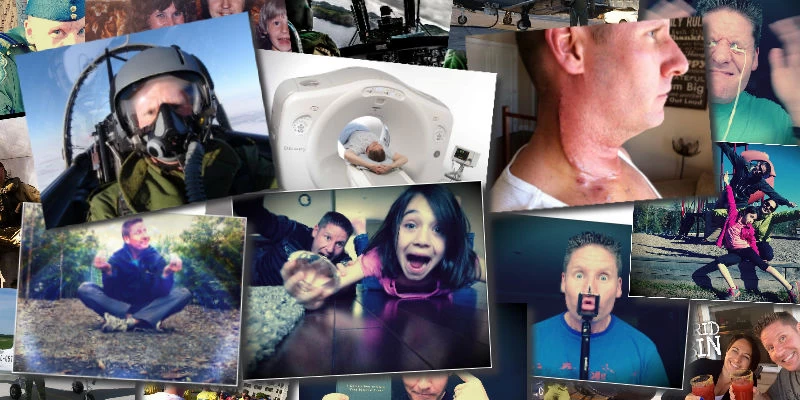
Flying at 10,000 feet as a decorated Air Force helicopter pilot, then suddenly bedridden in a cancer ward, tears soaking the sheets—that stark contrast marked the turning point in my life. This is the real story behind The Off Grid Cabin: how profound loss and determination led me to rebuild, not just my health, but a new path of freedom and self-reliance.
After overcoming deeply humiliating setbacks in my teens, I rose to become one of the top Naval Weapons Technicians (NWTs) in my 20s, advancing swiftly through the ranks. In my 30s, I made a bold career shift—re-mustering to train as an Air Force helicopter pilot. But a grueling 9-month deployment in the Gulf left me 56 pounds lighter and led straight to a cancer diagnosis. My flying days ended. My military career ended. Yet my true life—the one of purpose, family, and freedom—was only just beginning.
Here’s the real story: how I walked away from an ambitious, decorated career as an Air Force helicopter pilot to build a new life as a self-made off-grid blogger, inspiring millions along the way.
My aim here isn’t to list achievements—it’s to show you exactly who I am.
Most ‘About Me’ pages read like highlight reels: polished accomplishments, business wins, and zero mention of the struggles behind them.
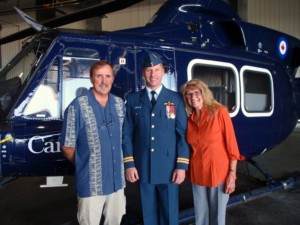
I’ve had my share of milestones, earned through sacrifice and grit. My family and closest friends stood by me through the soaring highs—welcoming home a decorated officer—and the crushing lows: bedridden in a cancer ward, tears soaking the sheets.
This is my unfiltered journey, and I hope it gives you a clear sense of the man behind The Off Grid Cabin.
1973 – Born into the World
Icame into the world on February 23, 1973, in St. Mary’s, Ontario—a wide-smiling, crystal-blue-eyed baby boy. As an only child, I was always told I was “done right the first time,” and that simple phrase made me feel truly special. The house, my family, and the whole world seemed to belong just to me.
My biological father was a rugged, free-spirited musician—leather jacket, rolled-up jeans, pointed black boots, motorcycle, dark sunglasses, and that lingering scent of old cologne that still takes me back decades later. Those fleeting memories are all I have of him.
My mother, though, was his complete opposite: tall, slender, and gentler than anyone I’ve ever known. She had a gift for making people feel seen, valued, and happier just by being near her. Every time I left or returned home, she’d be smiling from the front window, a quiet beacon of unconditional love. She went to extraordinary lengths to protect and nurture me—so much so that by age four, my biological father was gone, and we began building a new life together, just the two of us.
1977 – My Dad was Real
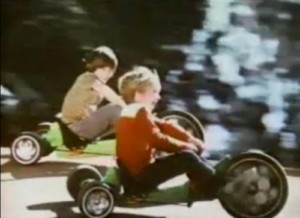
When I was four, Mom and I lived alone in a small apartment. The kind man who kept coming to replace the light bulbs she’d “accidentally” break would eventually become my Dad. I remember proudly telling my friends, “That’s my new Dad.” Even then—and even more so today—he was the most incredible man I’ve ever known. Every positive trait I carry, every bit of integrity and kindness, I owe to the values he quietly instilled in me.
1986 – Making Money Cleaning Parking Lots and Mopping Hallways
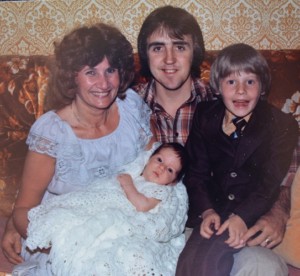
By the time I was five, the three of us had moved to Elliot Lake, Ontario, so Dad could take a job in the uranium mines. He taught me the value of hard work early: I started my first job at around thirteen, sweeping the parking lot in front of the local drug store and then mopping the hallways of the apartments above it. Right from the start, Dad’s rule was clear—half my earnings were mine to spend as I chose, and the other half went straight into a savings account for the future. That simple lesson in discipline and foresight shaped how I approach money and responsibility to this day.
1989 – Beaten Toothless & Determined to Win at All Costs
One of the most humiliating and painful moments of my life came in grade eleven. I was still the skinny, quiet kid near the bottom of the social ladder—few friends, no real hobbies beyond Sea Cadets and sailing on my parents’ small boat. I worked evenings at the Foodland in the mall, stocking shelves, bagging groceries, and carrying them out to cars.
Late one cold winter night, after the mall had closed and the rooftop parking lot was deserted, I walked toward my dad’s car. Another vehicle rounded the corner and stopped abruptly. Four guys jumped out—I recognized them instantly and knew what was coming. Three pinned me down while the fourth wrapped a dog chain around his fist and slammed it into my face.
The physical damage was bad—I lost my front tooth and part of my lower lip—but the humiliation burned deeper. As my heart pounded and adrenaline surged, they warned me never to tell a soul. I raced home, seething with rage. It turned out to be a case of mistaken identity, which only made the defeat sting more. In that moment, I swore I would never again live as someone’s second-rate punching bag, ending up broken and avoided like a diseased kiss.
That brutal ambush became my first real dip in the forge. From that night on, I’ve only grown stronger and more determined. Determination, though, doesn’t always mean smarter—lessons I’d learn the hard way many times over.
1991 – You Can’t Truly Appreciate Winning Big Without First Failing Hard
The second most embarrassing moment of my life hit when I opened my final high school report card. I wasn’t graduating with my friends and classmates—I was short one single credit in English. I can only imagine my Grade 12 English teacher, Mr. Young, shuddering in disbelief today if he knew my life would one day revolve around writing.
I finished that missing credit at the adult education center and earned my high school diploma. Determined not to let one setback define me, I pushed further: I enrolled in a Grade 12 advanced math course. That one decision opened doors I never expected—it qualified me for a career that would span twenty-four years, carry me to war and back, and ultimately play a role in my cancer diagnosis.
1993 – The Longest Hug Goodbye
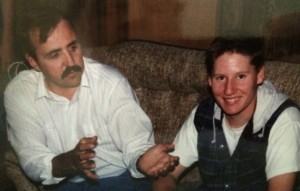
On October 13, 1993, I gave my mother the longest, tightest hug goodbye of my life. Numb with emotion, I climbed into the car with Dad, and we drove in silence for two hours to the Sudbury airport. From there, I flew to Nova Scotia, bound for Canadian Forces Base (CFB) Cornwallis to begin training as a Naval Weapons Technician—whatever that even meant. If you served in Canada before 1995, you know Cornwallis: infamous, grueling, and something most would avoid at all costs.
I practically sailed through boot camp. I’d been there and done that—literally. Not only had I excelled in Sea Cadets (becoming the top cadet in my corps), but I’d even attended band camp at Cornwallis when I was just fourteen. I still have my trumpet to prove it. Polishing boots, ironing uniforms to perfection, attention to detail, and following barked commands from strangers? That was my element. For the first time, I found myself in a leadership role despite being the youngest in the room. The platoon Sergeant noticed my experience and put me in charge on night one.
1994 – The Ocean is a Big Scary Place
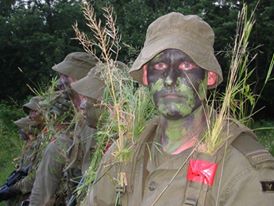
With boot camp behind me, I headed to Halifax, Nova Scotia, for several months of Naval Weapons Technician (NWT) training. That advanced math course from earlier proved invaluable. As an NWT, I maintained and repaired every weapon system on the ship: missile launchers, torpedoes, the main gun, and the Close-In Weapon System (CIWS)—a six-barrel Gatling gun that could unleash devastating fire. I loved it. This was worlds beyond the Lego and Meccano sets I’d obsessed over as a kid.
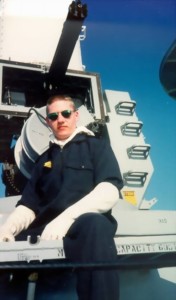

My first taste of life at sea came on a bone-chilling, foggy seven-day patrol off the Grand Banks of Newfoundland aboard HMCS Fraser. One nightly watch position stood out: the “fog dodger.” Strapped to the ship’s bow with a leather belt—like the iconic spot on the Titanic—I listened for distant foghorns in the pitch-black night. Bracing against every swell, encrusted in salt spray, it was terrifying. But it kept us from colliding with other vessels. Tragically, such accidents had happened before.
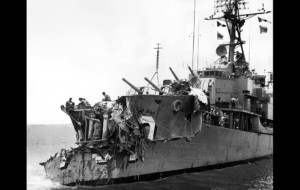
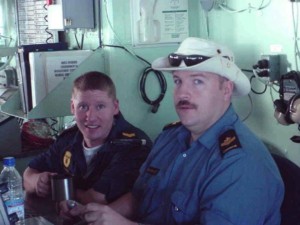
The only time I’ve ever been seasick was stepping off the ship in St. John’s, Newfoundland, to haul garbage ashore. I vomited beside the bin while desperately trying to regain my land legs—the ground felt like it was rolling harder than the ocean ever had.
2001 – September 11 Changed Everything
Iwas deep into a three-month weapons training course in British Columbia when I woke to shouts and pounding footsteps in the barracks hallway. I followed the rush to the TV room, where we watched in stunned anger as the events of September 11 unfolded live. Senior sailors muttered grimly: we were going to war, and orders would come soon. The base locked down, and sure enough, that same day I received mine—to return to Halifax and deploy with HMCS Iroquois as part of Operation Apollo Rotation Zero, one of three Canadian ships supporting operations against Afghanistan.
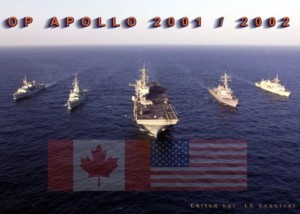
On Christmas Eve 2002, alone in the cramped variable depth sonar (VDS) compartment at the ship’s stern, I opened a package from my mother: dozens of individually wrapped gifts, one for each day Osama bin Laden had “stolen her boy” away. She’d even knitted me a fisherman’s toque—perfect for cooler nights, even if it was 38°C outside during the day.
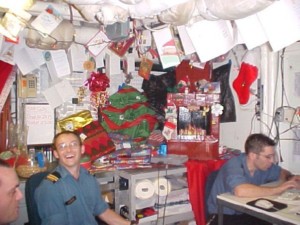
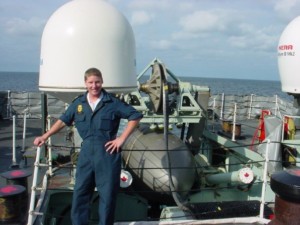
Sitting there in the quiet, I thought of all the families separated by this conflict. I asked myself: What real difference was I making? I was one of 300+ sailors on a support mission—academically at my peak, having climbed to senior Leading Seaman and completed every Navy course available. On paper, it looked impressive. But to me, it wasn’t enough. I quietly resolved: “I’m done.”
I was a “hands and feet” guy at heart—about to trade my tools for a desk job at the next promotion. Deep down, I knew I needed a more direct role in making change.
2002 – Be Careful What You Ask for in Life, You Just Might Get It
Like something out of a storybook, I woke on New Year’s Day 2003 with absolute clarity: I was done settling. I would trade my impending promotion for a shot at becoming an officer and playing a more direct role in the fight. Exactly what kind of officer? I didn’t know yet—but I knew it had to involve flying.
To keep the details straightforward, I later wrote and published a military article detailing how I chose to pursue Sea King helicopter pilot training. It even landed on the front page of the Trident newspaper. (You can read the full piece [here/link if available] if you’re curious about the thought process.)
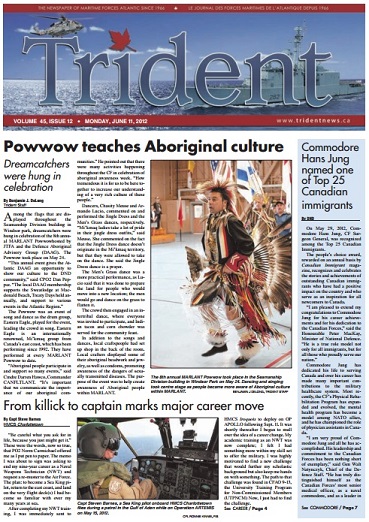
CLICK THE ARTICLE BELOW TO READ IT
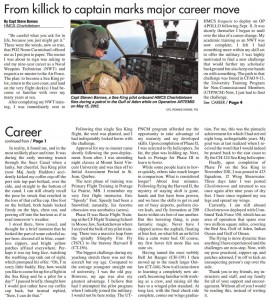
Becoming a pilot first meant becoming an officer, which required a university degree. Me—the guy who barely finished high school—heading to university? It felt like the longest of long shots. Yet as an adult, I was far from the rigid, disengaged kid I’d been back then. Nine years of rigorous NWT training had given me the equivalent of a four-year engineering degree in practical knowledge and discipline. I was ready to prove it.
2006 – Bachelor of Science with Three Minors
Remember how I mentioned most “About Me” pages skip the struggles and showcase only the wins? Here’s the real version: university was challenging, but I found it a thousand times easier than high school. The structure, the purpose, the maturity—I thrived.
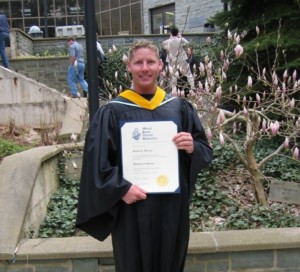
Mount Saint Vincent University agreed with my self-assessment. They recognized my military training and waived nearly a third of the required courses. Over the next three years, I attended MSVU full-time and earned a Bachelor of Science degree, with minors in child psychology, organic and inorganic chemistry, and computer programming.
All of it—for one goal: to become an officer. More precisely, to become a pilot.
2006 – Flight School and a Partially Detached Retina
Igot my first taste of the cockpit in the summer of 2005, flying the Slingsby T-67 Firefly at Portage la Prairie, Manitoba. That introductory phase would serve to confirm I had the “hands and feet” the military was looking for, clearing the way for the real deal: the CT-156 Harvard II at 2 Canadian Forces Flying Training School (2 CFFTS) in Moose Jaw, Saskatchewan. But before that it was back to MSVU to complete year three.
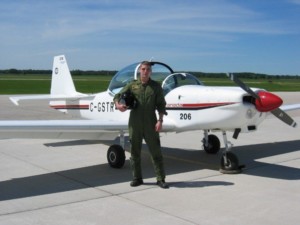
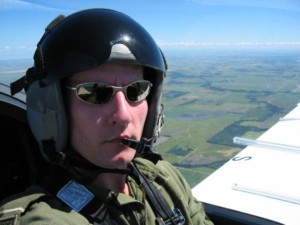
After wrapping up my degree at MSVU, I relocated to 15 Wing Moose Jaw for the core of my military pilot training on the Harvard—a $6-million, fully pressurized, ejection-seat turboprop trainer capable of +7G and -3.5G maneuvers. It was agile, demanding, and exhilarating.
On my seventh flight, the high-G stresses caught up: I partially detached my left retina. Coming down, I knew immediately something was wrong—my vision filled with wriggling “x-ray worms” and floating grey balloon letters, like alphabet soup overlaying everything. In the dead of Saskatchewan winter, the snow-covered ground was a white blur interrupted only by this visual static.
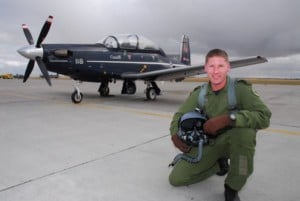
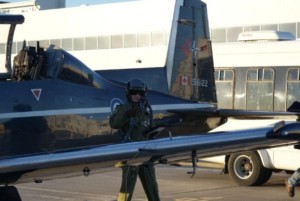
I pushed through a few more flights, hoping it would resolve on its own. It didn’t. The breaking point came just before my first solo: without an instructor in the back seat to “save my soul,” I couldn’t risk it. Swallowing my pride, I reported the vision issue.
Looking back, it was the smart—and responsible—choice. At the time, though, as a thirty-year-old surrounded by fresh-out-of-school cadets channeling their inner Pete “Maverick” Mitchell, admitting I was unfit to fly felt like ego suicide. But I did it. The result? A year-and-a-half grounding and medical detour back to Halifax for treatment and clearance.
2008 – Moose Jaw Part Deux
Cleared by a team of military ophthalmologists and eye specialists, I returned to Moose Jaw to restart Phase II training from square one—with a new class of faces I’d never met.
This group was different. Nearly two years had passed since my last stint at 15 Wing; the students had matured, becoming more methodical, focused, and supportive. We gelled quickly, lifting each other through eight intense months of flying.
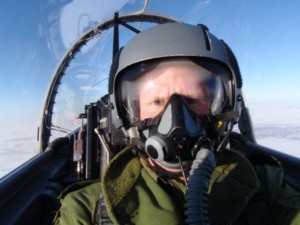
All I talked about—cockpit chatter and beyond—was helicopters. I shared my Navy background, how the Sea King operated off ship decks, and why rotary wing felt like my rightful home (this time as pilot, not NWT). My not-so-subtle campaigning paid off: on graduation day, I was selected for rotary-wing training and headed back to 2 CFFTS at Portage la Prairie for helicopter school.
2009 – If You Think Flying is Hard, Try Hovering
People often ask what hovering a helicopter feels like. Okay, picture standing on a plank of wood that is balanced on top of a beach ball, which is stacked… on top of another beach ball—every subtle shift in weight sends the whole stack wobbling in multiple directions. That’s hovering: constant, precise control amid chaos.
What came next tested my belief: after just nine short flights with an instructor, we’d be expected to take the helicopter solo. I’d pulled +6G inverted in the Harvard, ridden near Mach 1 with the jet stream, and flown tight formations at 300 km/h with only six feet between aircraft. Solo after nine flights? My brain went into full helmet fire—overloaded, nearly paralyzed, reduced to basic motor functions.
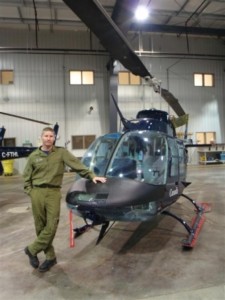
The first day in the helicopter was indescribable: equal parts dream and nightmare. Hovering at four feet, watching the ground slip beneath you, felt like pure mind-blowing magic—and terror.
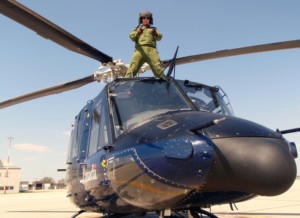
I started with the nimble Bell 206 Jet Ranger, then transitioned to the larger Bell 412 Outlaw, where I spent the next six months honing skills until I finally earned my military pilot wings. That day remains etched in my memory forever.
Since my not-so-subtle helicopter enthusiasm had worked in Moose Jaw, I doubled down in Portage la Prairie—talking Sea King nonstop in the cockpit and out. It worked again: rotary wing was mine.
2011 – Desperately Sea King my Home
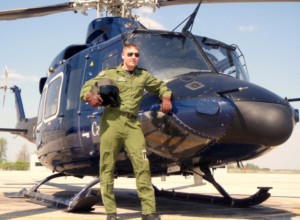
My career had come full circle. Back in Halifax, Nova Scotia—my home for sixteen years—I already knew the Sea King inside out: its role off Navy ships, the rhythms of life at sea, even the cramped quarters (better as an officer, but still tighter than livestock guidelines allow—yes, I mean that literally).
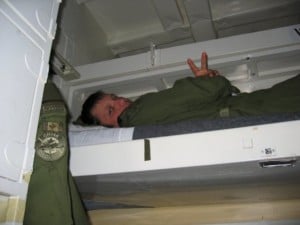
I began my final training phase at 406 Squadron, CFB Shearwater: a six-month course to qualify as Sea King co-pilot. The familiar smells of JP-5 jet fuel, the turbine whine, the signature aircraft grey—it all felt like coming home. For the first time in years, I commuted from my own house instead of barracks. I’d never truly had a place that was mine—until now. Simple, but profound.
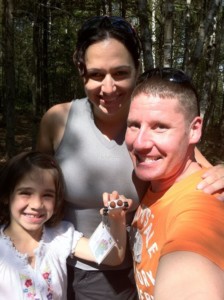
Around the same time, my lifelong sweetheart Mireille was stepping into independence. We’d been close friends for nearly a decade—she’d had a boyfriend, then a daughter, Clara. Clara, just six, had known me her whole life as “Uncle Steve.” I’d gifted her toy planes and helicopters at Christmas since she was a baby; she still treasures them.
Mireille and I began dating officially, and it felt like we’d already been together forever. Soon, she and Clara moved in with me. I’d never been happier in my life.
2011 – Deployed, Married, Meet the Family, Deployed Again
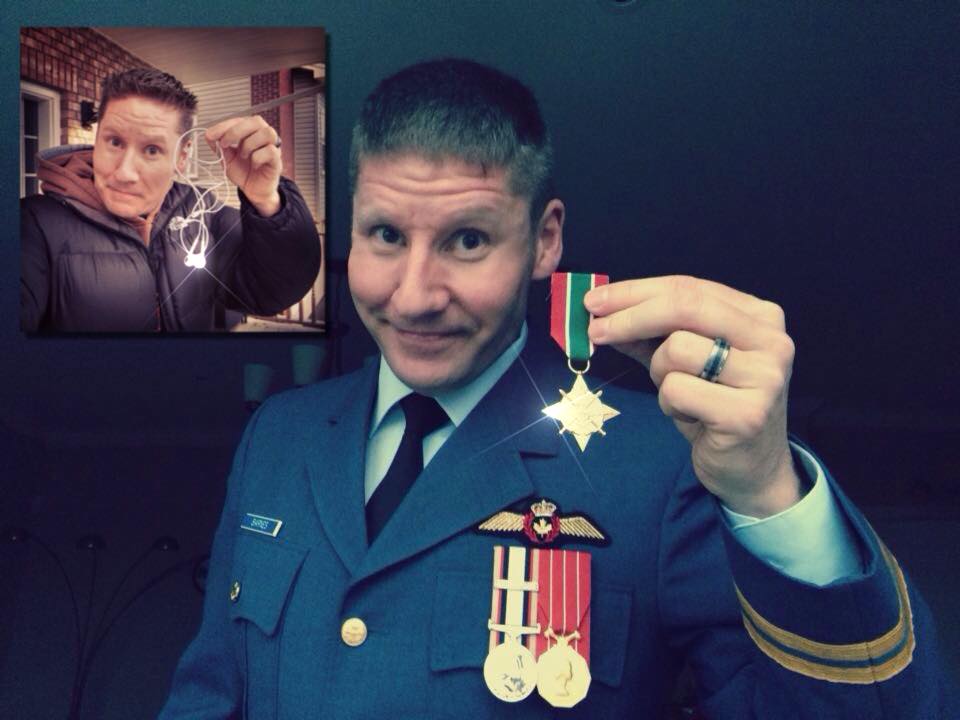
On November 29, 2011, I graduated from 406 Squadron as a freshly minted Sea King co-pilot—wings pinned, mission accomplished. Just two days later, I was aboard HMCS Charlottetown for a three-week deployment.
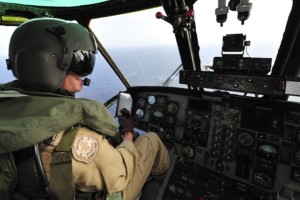
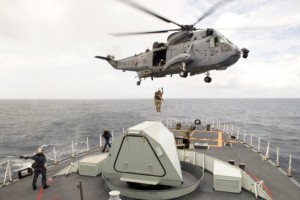
If hovering over solid ground felt like a triumph, shipboard ops in the North Atlantic took it to another level: holding a 20,500-pound Sea King steady above a frigate’s pitching deck… at night… through night-vision goggles… in a raging snowstorm. The ship rolls violently in the swells; wind howls across the deck; visibility drops to near zero. One miscalculation, and the consequences are immediate. Helmet fire? That’s an understatement—it’s total sensory overload, every instinct screaming while you fight for precision.
Yet we pulled it off, time after time. Those landings—securing the bird with the bear trap haul-down system amid chaos—were some of the most demanding flying I’d ever done. They built unbreakable confidence and respect for the machine, the crew, and the unforgiving sea.
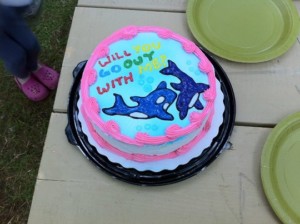
Ireturned from the three-week “fire hose” deployment aboard HMCS Charlottetown feeling like I’d barely caught my breath—only to learn we’d be shipping out again on January 8, this time for nine long months. Knowing the emotional and practical support Mireille would need during such an extended absence, we made a life-changing decision: we would get married over the Christmas holidays. Besides, becoming her husband seemed like the most memorable (and slightly terrifying) way to meet her entire family… for the very first time.
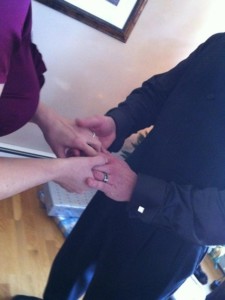
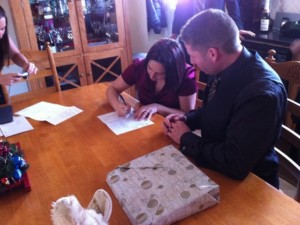
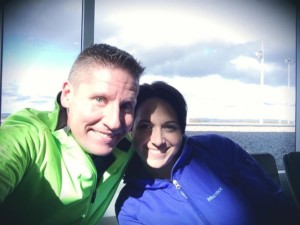
On December 21, 2011, I married the love of my life and, in doing so, gained a daughter. Clara is every bit my own as I was a son to my Dad. I survived the whirlwind introduction to her extended family in Quebec—barely—and just days later, I was gone again.
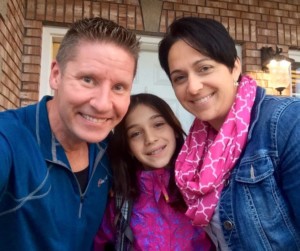
Saying goodbye was one of the hardest moments of my life. Outside the hangar doors, with my Sea King being prepped behind me, I held Mireille and Clara so tightly I could barely breathe. Explaining to an eight-year-old why I had to leave so soon after we’d finally become a family felt impossible. Her small arms around my neck, Mireille’s quiet strength beside me—those final seconds are burned into my heart forever.
2011 – Something Isn’t Right
During my deployment on Operations Metric and Artemis, I was thriving as a Sea King pilot. I passed every exam, completed all upgrade requirements, and qualified as a Landing Signals Officer (LSO)—directing deck landings in the most challenging conditions. We flew demanding missions, but one stands out: hovering alongside a mid-size dhow (traditional wooden boat) in international waters, our machine gun trained and ready while we held them in place. We watched as they transferred suspicious packages to a fast-moving skiff. We pursued and boarded it—finding 600 pounds of hashish. Across the deployment, our efforts helped seize over $50 million in narcotics. Moments like that made the long hours feel worthwhile.
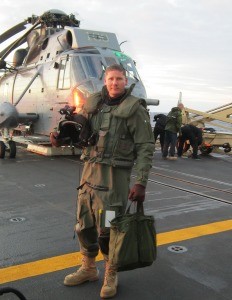
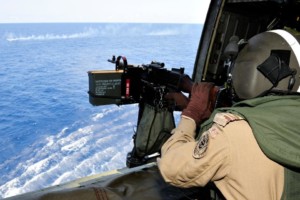
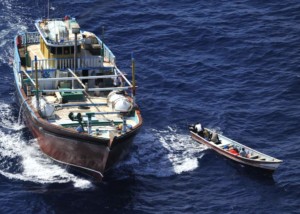
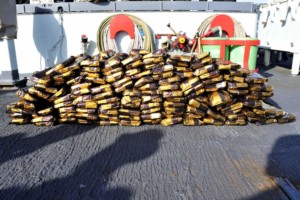
I sure ate well and stayed active—flying 4+ hour missions daily, often twice a day, in the sweltering cockpit. My flight suits began hanging loose. I tightened my Velcro belt notch by notch. By month six, I’d dropped nearly 25 pounds. By month seven, another 20. Mireille caught glimpses during rare video calls from foreign ports with spotty Wi-Fi. She didn’t like what she saw. Neither did I.
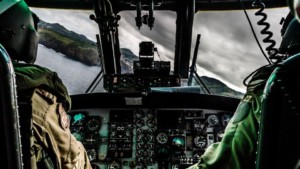
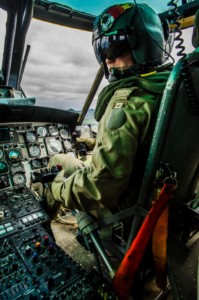
When I finally returned home in early September, the scale told the full story: 56 pounds gone. Something wasn’t right.
2012 – Diagnosed by a Dentist
In November 2011, during a routine dental cleaning, my dentist paused while checking my neck. “You have a small lump here on the right side,” she said. Likely a swollen lymph node, but given my unexplained weight loss, she urged me to see my flight surgeon immediately—and to follow up with her afterward.
The flight surgeon prescribed two weeks of antibiotics. When I returned to the dentist in December, the lump was still there—and noticeably larger. Alarm bells rang. The flight surgeon ordered an ultrasound at the local hospital and referred me to an ENT specialist.
Christmas that year was tense and uncomfortable, overshadowed by waiting. I didn’t see the ENT until January. He performed a nasal endoscopy (uncomfortable doesn’t begin to describe it), took a fine-needle biopsy of the neck lump, and ran blood work. The results came back swiftly.
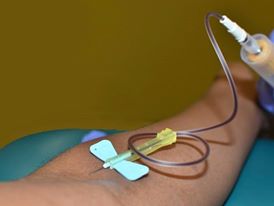
On January 30, 2012, at 9:30 a.m., the ENT sat Mireille and me down in his office just blocks from home. Quietly, factually, he explained: papillary thyroid cancer. I would need a full thyroidectomy—complete removal of the thyroid gland—along with the tumor pressing on it and likely some lymph nodes. My life was about to change forever, and it had to happen quickly.
We left the office holding ourselves together. The moment we stepped through our front door, we broke. I can still picture the exact kitchen tiles I was standing on when we held each other, sobbing. I can’t recall the drive home or the weather that day, but I remember the song playing on the radio when the tears started. It still stops us both cold whenever it comes on.
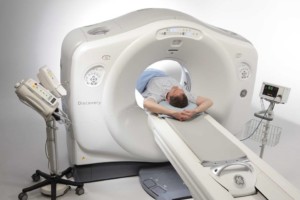
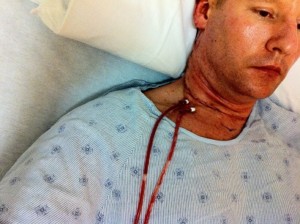
The weeks that followed were a blur: blood tests, CT scans, consultations with surgeons, endocrinologists, and oncologists. My brand-new flying career was placed on indefinite hold. On February 20, I went into surgery. I spent my fortieth birthday—February 23—in a hospital bed, recovering. The surgeons removed my thyroid, 40 lymph nodes, a parathyroid gland, and the tumor. Everything was a mess. My body was a mess. My mind was a mess. But Mireille and Clara were right there beside me, and in that moment, that was all that mattered.
2012 – Literally Radioactive Man
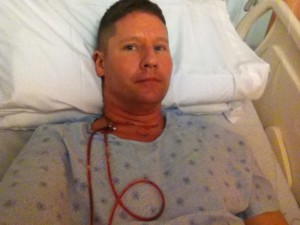
Recovery from surgery took four grueling months before I could sleep, sit, walk, or talk without constant pain. My throat felt perpetually wrapped in a tight tensor bandage—breathing was labored, and even a short walk to the mailbox left me winded. I went from feeling like a superhero to a complete pain in the ass (PITA). Sleepless nights filled with depression were common.
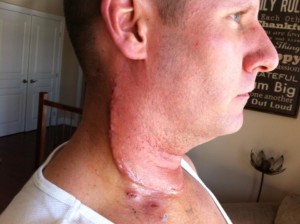
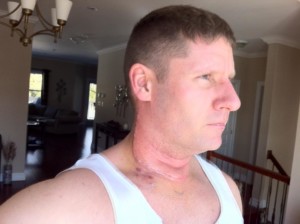
To ensure every trace of thyroid tissue was destroyed, the next step was radioactive iodine (RAI) therapy. For one full week, I was placed in strict isolation—away from Mireille, Clara, and any living thing. Radiation could damage their thyroids if I got too close.
The rules were strict: flush the toilet twice, wipe down the shower with special wipes after every use, wear one set of clothes for the entire week then bag them as radioactive biohazard waste. I ate with a single utensil, kept my iPhone in a zip-lock bag, wore surgical gloves constantly, and sucked on lemons all day to protect my salivary glands from permanent damage.
2013 – My Biggest Downfall, Was The Biggest Blessing
Iquickly realized cancer wasn’t going to be defeated overnight—or even within a year. I’d endured surgery, radiation, and every protocol the doctors prescribed. But a year later, blood work still showed elevated thyroglobulin—lingering thyroid cells meant the cancer wasn’t fully gone.
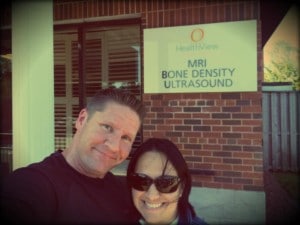
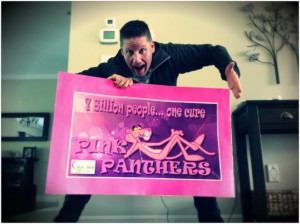
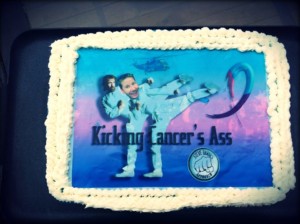
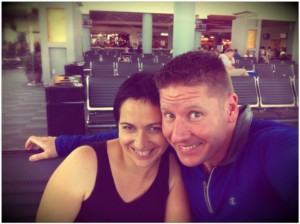
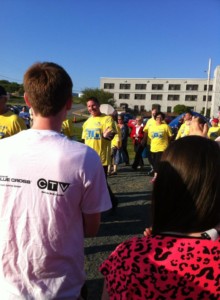
I underwent additional rounds of radiation, more full-body scans, and blood tests every six weeks for the next three years. Finally, the military delivered the news I’d been bracing for: “Captain Barnes, the clear, cancer-free diagnosis we’ve all been hoping for isn’t coming in the timeframe we need.” My flying career—after fourteen years of re-mustering, three years of university, five years of rigorous flight training, a partially detached retina, mastering five different aircraft, and finally qualifying—was over after just one deployment.
20014 – Taking Cancer Off Grid
Ihave nothing but respect and gratitude for the incredible team at the cancer treatment center—they’re some of the kindest, most dedicated people I’ve ever met. But by 2014, I was desperate to escape the cycle. Endless appointments, needles every few weeks, sitting alone in waiting rooms, my mind stuck on the career I’d lost—it was wearing me down.
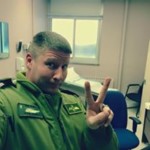
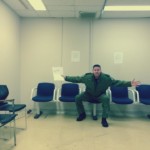
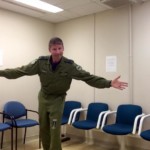
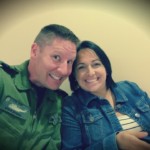
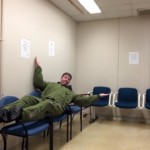
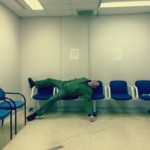
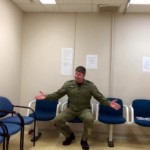
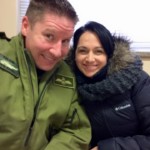
For over three years, I was back at CFB Shearwater Hospital every six weeks. I spent so much time in that same chair that the staff joked about naming the waiting room after me. I was low—really low—and I needed a way out. I craved freedom again, busy hands and feet, and something new to learn and build.
That escape came in the most unexpected form.
Mireille and I started searching for a small piece of land nearby—somewhere within a 30–60-minute drive—so we could camp as a family, escape the city, the treatment center, and the constant reminder of the Air Force base where I’d never fly again. We wanted a weekday getaway spot that still let Mireille get to work and Clara to school on time.
We found it: the perfect property.
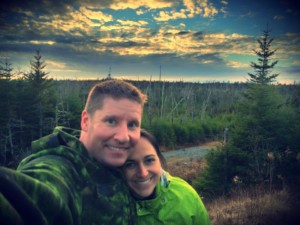
You can read every detail of how that little camping spot evolved in our Cabin Build section. What began as weekend tents turned into late-night conversations about building something year-round. Those talks led to a call to my Dad, asking for his endless skills to help design and construct something bigger.
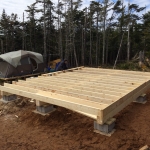
From there, the project grew into the off-grid cabin we have today. What started as a family escape became The Off Grid Cabin.
I began sharing progress photos and updates on Facebook. One friend commented, “You really should start a blog and share this with everyone.” So we did.

2015 – The Off Grid Cabin Reaches Millions of People
That small Facebook page quickly grew into a community of over 559,000 followers. Some individual posts have been viewed more than 96 million times. Our Pinterest page went viral from some of the articles people pinned and shared!
Thousands of people around the world visit the blog every week, following along with our complete cabin build journey. You can dive into every step—from site selection to solar setup and final finishes—in the Building the Cabin section.
Our Pinterest page now has 943K monthly viewers!
People all around the world have begun to share our blog here and we have thousands of people visiting us, coming back every week and it’s growing all the time. Thousands of people have followed the journey of our complete cabin build. you can too in our Building The Cabin section.
2016 – Having Found Success Off The Grid
Iretired from the military in 2016 and now post full-time on The Off Grid Cabin. It has become my entrepreneurial dream come true—a business built from passion, resilience, and family support. We’ve created the cabin of our dreams, and we’ve spent more quality time together there than I ever managed during my entire military career. Back then, I was gone 80% of the time. Now, I never miss a moment with the two most important women in my life.
Iwake up excited every morning, planning the next project at the cabin, designing, building, and sharing it all with you.
I’m still only partway through this adventure we call life. I continue fighting cancer every day, determined to beat the odds until I can finally declare victory. One day, I look forward to updating this page with the words “cancer free” at the top.
More than anything, I’m deeply grateful for my family. Their unwavering support carried me through two decades of deployments, character-testing training, and life-altering illness. They stood by me through it all, helped build this cabin, and now share it with the world alongside me.
And I’m grateful to you for taking the time to read my story and getting to know the family behind the cabin.
The adventure of The Off Grid Cabin is only just beginning. Thank you for taking the time to read my story. If you’re inspired by what we’ve built or want to connect about off-grid living, cabin projects, or anything in between, feel free to reach out here.
Proudly in your service,

Steve Barnes